
Life Insurance Policy: Life is unpredictable. While we cannot control what happens tomorrow, we can prepare for it. One of the smartest financial decisions anyone can make is securing a Life Insurance Policy. Yet, many people either misunderstand life insurance or postpone buying it until it’s too late.
This comprehensive guide explains everything you need to know about life insurance policies—from what they are and how they work, to the different types, benefits, costs, and how to choose the right one for your needs.
Whether you’re a first-time buyer or simply looking to understand life insurance better, this guide has you covered.
ALSO READ: GoFundMe Account Creation | See Full Guidelines
What Is a Life Insurance Policy?
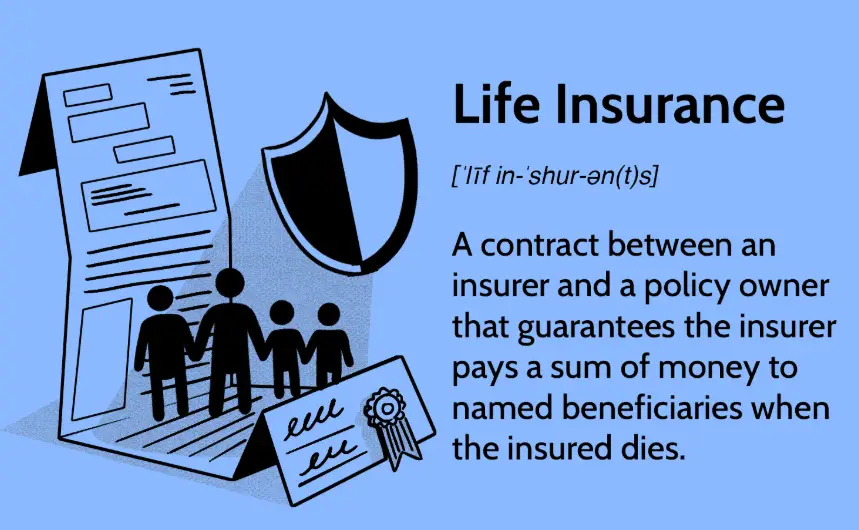
A Life Insurance Policy is a legal contract between an individual (the policyholder) and an insurance company. In exchange for regular payments known as premiums, the insurer promises to pay a death benefit to the policyholder’s chosen beneficiaries when the insured person dies.
The primary purpose of life insurance is financial protection. It ensures that your loved ones are not left struggling financially in the event of your death.
Key Parties Involved
- Policyholder – The person who owns the policy
- Insured – The person whose life is covered
- Beneficiary – The person(s) who receive the payout
- Insurer – The insurance company
Why Life Insurance Policy Is Important
Life insurance is not just for the elderly or wealthy. It is essential for anyone with financial responsibilities.
Major Benefits of a Life Insurance
- Provides financial security for dependents
- Covers funeral and burial expenses
- Replaces lost income
- Pays off debts and loans
- Helps fund children’s education
- Offers tax benefits (in many countries)
- Supports long-term financial planning
Without life insurance, families may be forced to sell assets, take loans, or drastically change their lifestyle after the loss of a breadwinner.
How Does Life Insurance Work?
Life insurance works on a simple principle:
- You choose a policy and coverage amount
- You pay premiums (monthly, quarterly, or annually)
- The policy remains active as long as premiums are paid
- When the insured dies, the insurer pays the death benefit to beneficiaries
Some policies also include savings or investment components, allowing you to build cash value over time.
ALSO READ: Online Businesses You Can Start Today With Little or No Money
Types of Life Insurance Policies
There are two main categories of life insurance: Term Life Insurance and Permanent Life Insurance.
1. Term Life Insurance
Term life insurance provides coverage for a specific period—usually 10, 20, or 30 years.
Features
- Fixed coverage period
- Lower premiums
- No cash value
- Pays out only if death occurs during the term
Pros
- Affordable
- Simple to understand
- Ideal for young families and income earners
Cons
- No payout if the policy expires
- Premiums increase upon renewal
Best For: People seeking affordable protection for a specific financial responsibility, such as a mortgage or child education.
2. Whole Life Insurance
Whole life insurance provides lifetime coverage and includes a cash value component.
Features
- Lifetime protection
- Fixed premiums
- Guaranteed death benefit
- Builds cash value
Pros
- Never expires
- Acts as a savings tool
- Cash value can be borrowed
Cons
- Higher premiums
- Less flexibility
Best For: Long-term financial planning and estate protection.
3. Universal Life Insurance
Universal life insurance combines lifetime coverage with flexible premiums and savings.
Features
- Adjustable premiums
- Flexible death benefit
- Accumulates interest
Pros
- Customizable
- Investment growth potential
Cons
- Complex
- Cash value not guaranteed
4. Endowment Life Insurance
Endowment policies pay a lump sum either on death or after a specified maturity period.
Key Benefits
- Savings + protection
- Ideal for future goals
- Guaranteed payout
5. Group Life Insurance
Provided by employers to employees, usually at low or no cost.
Limitations
- Coverage ends when employment ends
- Usually insufficient on its own
Life Insurance Riders (Add-Ons)
Riders enhance your policy’s coverage. Common riders include:
- Accidental Death Benefit Rider
- Critical Illness Rider
- Waiver of Premium Rider
- Disability Income Rider
Adding riders increases premium costs but provides broader protection.
Who Needs a Life Insurance?
Life insurance is important if you:
- Are married
- Have children
- Support aging parents
- Own a business
- Have outstanding debts
- Want estate planning benefits
Even single individuals can benefit, especially if they have dependents or financial obligations.
How Much Life Insurance Coverage Do You Need?
A common rule is 10–15 times your annual income, but this varies based on:
- Current income
- Outstanding debts
- Family size
- Lifestyle expenses
- Future financial goals
Coverage Calculation Example
If you earn ₦3,000,000 annually:
- Recommended coverage: ₦30–45 million
Factors Affecting Life Insurance Premiums
Life insurance premiums are determined by several factors:
- Age
- Gender
- Health condition
- Lifestyle habits (smoking, alcohol)
- Occupation
- Coverage amount
- Policy duration
The younger and healthier you are, the cheaper your premiums will be.
Life Insurance and Taxes
In many countries:
- Premiums may be tax-deductible
- Death benefits are tax-free
- Cash value grows tax-deferred
Always consult a financial advisor or tax professional for local regulations.
Common Life Insurance Myths
Myth 1: Life insurance is only for old people
Truth: Younger people get cheaper premiums.
Myth 2: It’s too expensive
Truth: Term policies are very affordable.
Myth 3: I don’t need it because I’m single
Truth: Debts and dependents still matter.
READ ALSO: PayPal Account Creation | See Full Guidelines
How to Choose the Right Life Insurance
When selecting a policy, consider:
- Your financial goals
- Number of dependents
- Budget
- Coverage duration
- Type of policy
- Insurance company reputation
Checklist Before Buying
- Compare multiple insurers
- Read policy terms carefully
- Understand exclusions
- Ask about claim settlement ratio
When Is the Best Time to Buy Life Insurance?
The best time to buy life insurance is now.
Buying early:
- Locks in lower premiums
- Provides longer coverage
- Ensures financial security sooner
Delaying can result in higher premiums or denial due to health issues.
Life Insurance Claims Process
The claim process usually involves:
- Notifying the insurer
- Submitting required documents
- Verification
- Claim settlement
Important documents include:
- Death certificate
- Policy document
- Claim form
- Beneficiary ID
Life Insurance vs Health Insurance
| Feature | Life Insurance | Health Insurance |
|---|---|---|
| Covers | Death | Medical expenses |
| Duration | Long-term | Annual |
| Purpose | Financial protection | Healthcare costs |
Both are essential and serve different purposes.
Life Insurance as a Financial Planning Tool
Life insurance is more than protection—it’s a strategic financial asset:
- Retirement planning
- Wealth transfer
- Estate planning
- Loan collateral
Permanent life policies can be leveraged to build long-term wealth.
Mistakes to Avoid When Buying Life Insurance
- Buying insufficient coverage
- Ignoring policy exclusions
- Choosing based on price alone
- Not disclosing medical history
- Forgetting to update beneficiaries
Conclusion
A life insurance policy is one of the most powerful tools for securing your family’s future. It provides peace of mind, financial stability, and long-term protection against life’s uncertainties.
Whether you choose term, whole, or universal life insurance, the most important step is taking action. The right policy today can protect your loved ones for decades to come.
Life insurance isn’t about preparing for death—it’s about protecting life.
Pingback: Life Insurance Companies In Nigeria | Best Ones To Go For - GISTWAVESMEDIA.COM