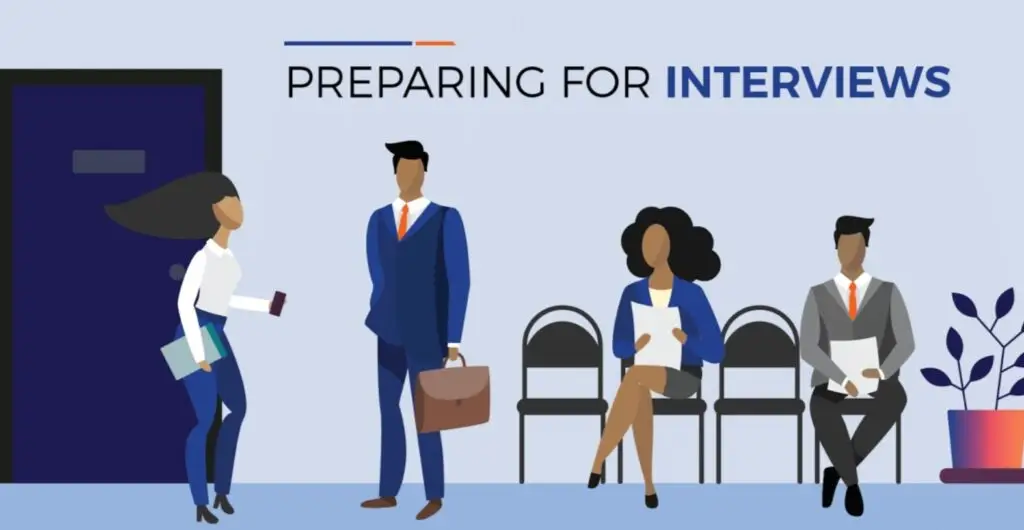

Panel Interview Tips: A panel interview can feel more intimidating than a traditional one-on-one interview because multiple interviewers assess you at the same time. Instead of speaking to a single hiring manager, you may face a group that includes department heads, HR representatives, team leads, and sometimes senior executives. Each member of the panel evaluates different aspects of your qualifications, such as technical skills, communication ability, teamwork, and overall suitability for the organization.
For many job seekers, panel interviews create anxiety because the pressure increases when several people ask questions and observe your responses simultaneously. However, with the right preparation and strategy, panel interviews can become an opportunity to showcase your professionalism, confidence, and ability to perform under pressure. Employers often use this interview format to save time, gain multiple perspectives about a candidate, and observe how applicants interact with different personalities in a professional setting.
Understanding how panel interviews work and preparing for common questions can significantly improve your chances of success. The key is to demonstrate confidence, maintain strong communication with all panel members, and deliver structured answers that highlight your experience and achievements.
This comprehensive guide provides practical panel interview tips that will help you prepare effectively, respond to common questions with confidence, and impress every member of the interview panel. By learning how to structure your responses, engage with multiple interviewers, and demonstrate professionalism throughout the process, you can stand out from other candidates and increase your chances of receiving a job offer.
ALSO READ: Job Interview Questions and Answers You MUST Know
What Is a Panel Interview?
A panel interview is a job interview format where a candidate is interviewed by two or more interviewers at the same time. Instead of meeting each interviewer individually, the candidate sits in front of a group that asks questions and evaluates responses collectively.
Panel interviews are commonly used in organizations where collaboration between departments is essential. This type of interview allows decision-makers from different teams to participate in the hiring process simultaneously.
Common Panel Interview Participants
A typical panel interview may include:
- A hiring manager responsible for filling the position
- A human resources representative
- A department supervisor or team leader
- A senior executive or manager
- A technical expert if the role requires specialized knowledge
Each panel member may focus on different aspects of the candidate’s profile, which is why preparation is essential.
Why Employers Use Panel Interviews
Understanding why employers conduct panel interviews can help candidates prepare better responses and adopt effective strategies.
Faster Hiring Process
Panel interviews allow organizations to evaluate candidates more quickly. Instead of scheduling multiple interviews with different stakeholders, companies bring everyone together to assess the candidate at once.
Multiple Perspectives
When several interviewers participate, the hiring decision becomes more balanced. Each panelist can provide feedback from their own professional perspective.
Assessment of Communication Skills
Panel interviews reveal how well candidates communicate in group settings. Employers want individuals who can engage multiple stakeholders and communicate ideas clearly.
Evaluating Confidence Under Pressure
Facing multiple interviewers can be stressful. Employers use panel interviews to observe how candidates handle pressure, remain calm, and maintain professionalism.
Essential Panel Interview Tips for Success
Preparing for a panel interview requires a slightly different approach compared to traditional interviews. The following panel interview tips will help you perform confidently and leave a strong impression.
Research the Company and Panel Members
Before attending the interview, gather as much information as possible about the organization and the people who may be interviewing you.
Start by reviewing:
- The company website
- Recent news about the company
- LinkedIn profiles of potential panel members
- The job description and requirements
Understanding the organization’s goals and culture allows you to tailor your responses to align with their expectations.
If you know who the panelists are, research their roles within the company. This helps you understand the perspective behind their questions.
Practice Structured Answers
In a panel interview, answers must be clear and structured because multiple people are listening and evaluating.
One effective approach is the STAR method:
- Situation – Describe the context
- Task – Explain your responsibility
- Action – Describe what you did
- Result – Share the outcome
Structured answers help interviewers follow your story and understand your contribution.
Maintain Eye Contact with the Entire Panel
One of the most important panel interview tips is maintaining balanced eye contact.
When answering a question:
- Start by addressing the person who asked the question.
- Gradually include other panel members by shifting eye contact.
- Finish your response by looking back at the original interviewer.
This approach shows respect and engagement with everyone in the room.
Learn and Use Interviewers’ Names
If the panel introduces themselves at the beginning of the interview, try to remember their names.
Using someone’s name during conversation can make communication more personal and professional. For example:
“That’s a great question, Mr. Johnson. In my previous role, I handled a similar situation…”
Taking brief notes during introductions can help you remember names.
Stay Calm and Confident
Panel interviews can feel overwhelming, especially when several people are observing you.
Confidence can be demonstrated through:
- Clear speaking
- Good posture
- Professional tone
- Thoughtful responses
Take a moment to think before answering questions. Pausing briefly is better than rushing into an unclear response.
Engage Every Panel Member
Another valuable panel interview tip is ensuring that every interviewer feels included in the conversation.
Sometimes one panel member may ask most of the questions, but others still observe your responses closely. Acknowledge them with eye contact and attentive body language.
READ ALSO: How To Prepare For A Job Interview | All You Need To Know
Common Panel Interview Questions and Best Answers
Panel interviews often include a mix of behavioral, situational, and technical questions. Preparing for these questions increases your confidence and performance.
Tell Us About Yourself
Why Interviewers Ask This Question
This question allows panel members to understand your professional background and how it relates to the role.
Best Answer Strategy
Focus on your professional journey rather than personal details. Highlight relevant experience, key achievements, and your career goals.
Example Answer
“I have over five years of experience in digital marketing, specializing in search engine optimization and content strategy. In my previous role, I helped increase organic website traffic by over 120 percent through targeted keyword research and optimized blog content. I enjoy analyzing data and developing strategies that help businesses reach their online audience more effectively. I am excited about this opportunity because it allows me to contribute my expertise while continuing to grow in a collaborative environment.”
Why Do You Want to Work Here?
Why Interviewers Ask This Question
Panel members want to determine whether you have researched the company and understand its mission.
Best Answer Strategy
Connect your skills and values with the organization’s goals.
Example Answer
“I admire how your company prioritizes innovation and customer experience. After researching your recent projects and growth in the industry, I believe this organization offers an environment where I can contribute my skills in project management while also learning from experienced professionals. I am particularly interested in joining a team that values collaboration and continuous improvement.”
How Do You Handle Workplace Challenges?
Why Interviewers Ask This Question
Employers want to see how you approach difficult situations and solve problems.
Best Answer Strategy
Use a real-life example that demonstrates resilience and problem-solving ability.
Example Answer
“In my previous role, we faced a situation where a major project deadline was moved forward unexpectedly. This created pressure for the entire team. I organized a short planning session where we identified priorities, reassigned tasks based on strengths, and implemented a daily progress check. As a result, we completed the project two days before the revised deadline and maintained high quality standards.”
How Do You Work in a Team Environment?
Why Interviewers Ask This Question
Panel interviews often involve multiple departments, so teamwork is critical.
Best Answer Strategy
Demonstrate collaboration, communication, and respect for diverse perspectives.
Example Answer
“I believe effective teamwork requires open communication and respect for each member’s expertise. In one project, our team included designers, developers, and marketing specialists. I ensured everyone understood the project goals and encouraged regular updates. By maintaining clear communication, we delivered a product that exceeded the client’s expectations.”
What Is Your Greatest Strength?
Why Interviewers Ask This Question
Interviewers want to understand your core abilities and how they benefit the company.
Best Answer Strategy
Choose a strength that is relevant to the job role.
Example Answer
“My greatest strength is my ability to analyze complex problems and develop practical solutions. In my previous role, I often evaluated workflow inefficiencies and proposed improvements. One solution I implemented reduced processing time by nearly 30 percent, allowing the team to handle more projects efficiently.”
What Is Your Greatest Weakness?
Why Interviewers Ask This Question
Panel members want to assess self-awareness and willingness to improve.
Best Answer Strategy
Mention a genuine weakness but focus on how you are improving it.
Example Answer
“Earlier in my career, I sometimes focused too heavily on perfecting small details, which occasionally slowed my progress. Over time, I learned to balance quality with efficiency by setting time limits for tasks and prioritizing key objectives. This approach has significantly improved my productivity.”
Advanced Panel Interview Tips
Beyond basic preparation, there are advanced strategies that can help you stand out during a panel interview.
Observe the Dynamics of the Panel
Every panel has its own dynamic. Some interviewers lead the discussion, while others observe quietly.
Pay attention to:
- Who asks the most questions
- Who seems responsible for decision-making
- The communication style of each panel member
Understanding these dynamics helps you adjust your responses accordingly.
Manage Multiple Questions Effectively
Sometimes panel members may ask follow-up questions or multiple questions at once.
If this happens:
- Acknowledge the questions.
- Answer them one at a time.
- Ask for clarification if necessary.
For example:
“Those are excellent questions. I will start by addressing the first one regarding project management.”
Use Examples to Demonstrate Experience
Real examples make your answers more credible and memorable.
Whenever possible, include:
- Specific challenges
- Actions you took
- Measurable results
This approach shows that your claims are supported by real achievements.
Show Leadership and Initiative
Even if the role is not a leadership position, employers value candidates who demonstrate initiative.
Examples may include:
- Leading a project
- Suggesting improvements
- Solving problems independently
- Mentoring team members
These experiences highlight your potential value to the organization.
ALSO READ: Nigerian Stock Exchange Companies: Top Listed Firms
Mistakes to Avoid During a Panel Interview
Avoiding common mistakes can significantly improve your performance.
Ignoring Some Panel Members
Focusing only on the person asking questions may unintentionally exclude others. Always acknowledge everyone in the room.
Speaking Too Quickly
Nervousness can cause candidates to rush their answers. Speak clearly and at a steady pace.
Interrupting Interviewers
Wait until the interviewer finishes speaking before responding.
Giving Generic Answers
Panel members often have extensive interviewing experience. Generic answers can make you appear unprepared.
Questions You Should Ask the Panel
Panel interviews are also an opportunity for candidates to evaluate the organization.
Consider asking thoughtful questions such as:
- “How does this role contribute to the company’s long-term goals?”
- “What qualities do successful employees in this position typically demonstrate?”
- “How do different departments collaborate on major projects?”
- “What are the immediate priorities for someone starting in this role?”
These questions show genuine interest and engagement.
How to Prepare for a Panel Interview
Preparation is one of the most important panel interview tips for success.
Conduct Mock Interviews
Practice answering questions with friends or mentors who can simulate a panel interview environment.
Prepare Your Achievements
List key accomplishments that demonstrate your skills and experience.
Review the Job Description
Ensure your answers highlight the skills and qualifications mentioned in the job listing.
Prepare Supporting Documents
Bring extra copies of your resume, portfolio, or other relevant materials.
What to Do After the Panel Interview
Your actions after the interview can also influence the hiring decision.
Send Thank-You Messages
Within 24 hours of the interview, send a thank-you message to the panel members.
Thank them for their time and briefly reinforce your interest in the role.
Reflect on Your Performance
Review the questions asked and consider how you responded. This reflection can help you improve future interviews.
Conclusion
Panel interviews can initially appear intimidating because multiple professionals evaluate your qualifications simultaneously. However, with proper preparation and the right mindset, this interview format can become an excellent opportunity to showcase your expertise, communication skills, and ability to perform in collaborative environments.
The most effective panel interview tips focus on preparation, structured communication, and confidence. Candidates who research the company, practice answering common questions, maintain strong eye contact with all panel members, and provide clear examples of their achievements often leave a strong impression.
Remember that panel interviews are not designed to intimidate candidates but to help organizations make informed hiring decisions. Each panel member brings a unique perspective, and your goal is to demonstrate that your skills, experience, and professional attitude make you a valuable addition to the team.
By applying the strategies discussed in this guide and preparing thoughtful answers to common questions, you can approach your next panel interview with confidence and significantly increase your chances of securing the job opportunity you desire.
Use the comment section below for more enquiries and questions on the above topic of discussion above “Panel Interview Tips: Common Questions and Best Answers”