
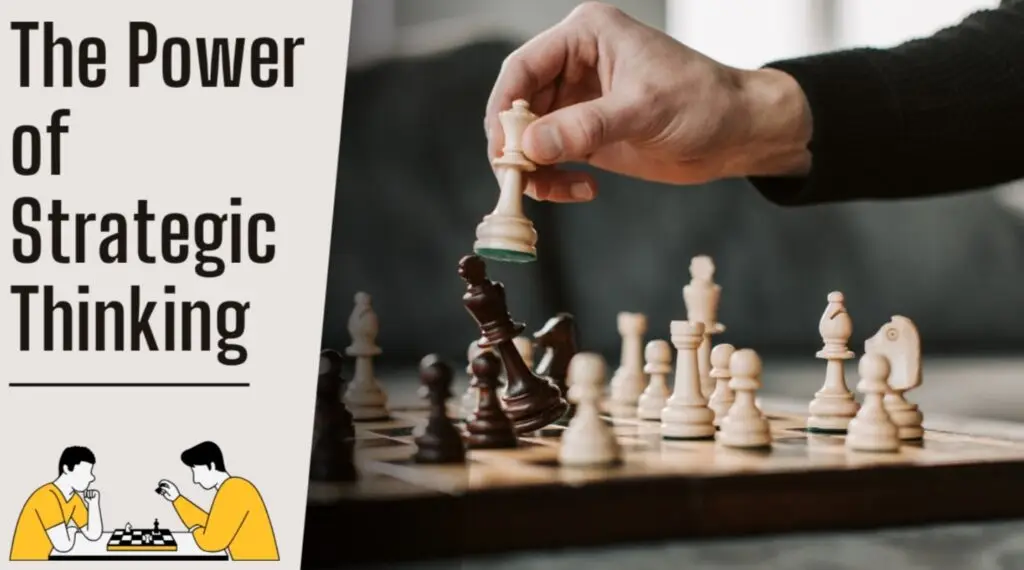
The Power Of Strategic Thinking is often described as a skill reserved for top executives, military leaders, or visionary entrepreneurs. In reality, it is a powerful mindset that shapes success in both business and personal life.
Strategic thinking goes beyond reacting to immediate situations; it involves seeing the bigger picture, anticipating future outcomes, making deliberate choices, and aligning daily actions with long-term goals.
In an increasingly complex and fast-changing world, the ability to think strategically has become not just an advantage, but a necessity.
At its core, strategic thinking is about intentional decision-making. It requires clarity of purpose, awareness of context, and the discipline to prioritize what truly matters. Whether you are building a company, managing a career, running a creative business, or navigating personal growth, strategic thinking empowers you to move from randomness to direction and from effort to impact.
Understanding The Power Strategic Thinking
Strategic thinking is the ability to analyze situations holistically, recognize patterns, evaluate options, and make decisions that produce sustainable results over time. Unlike tactical thinking, which focuses on immediate tasks and short-term execution, strategic thinking emphasizes long-term value and alignment.
A strategic thinker asks questions such as:
- Where am I going?
- Why am I doing this?
- What are the possible outcomes of my choices?
- What resources do I have, and how can I best use them?
- What risks and opportunities lie ahead?
This mindset encourages proactive behavior rather than reactive responses. Instead of constantly putting out fires, strategic thinkers design systems and plans that reduce unnecessary crises and create room for growth.
ALSO READ: How To Prepare For A Job Interview | All You Need To Know
Strategic Thinking in Business
In business, strategic thinking is the foundation of sustainability, competitiveness, and innovation. Without it, even the most talented individuals and profitable ventures can lose direction and collapse under pressure.
1. Clear Vision and Direction
Strategic thinking helps business owners and leaders define a clear vision. A strong vision acts as a compass, guiding decisions, investments, and daily operations. When a business understands where it is going, it becomes easier to say no to distractions and yes to opportunities that align with its mission.
A business without strategy may appear busy, but activity without direction often leads to burnout and wasted resources. Strategic thinkers ensure that every action contributes meaningfully to long-term objectives.
2. Better Decision-Making
Every business decision carries consequences—financial, operational, and reputational. Strategic thinking allows leaders to evaluate options beyond immediate gains and consider long-term effects. This leads to smarter pricing, better partnerships, efficient resource allocation, and sustainable growth.
For example, instead of chasing every trend, a strategic business evaluates whether a trend aligns with its brand, audience, and long-term positioning. This prevents inconsistency and strengthens credibility.
3. Competitive Advantage
Strategic thinking enables businesses to identify what sets them apart. By understanding the market, competitors, and customer needs, a business can position itself uniquely and offer value that is difficult to replicate. This competitive edge becomes a powerful tool for growth and customer loyalty.
Businesses that think strategically anticipate changes in the market and adapt before problems arise. This agility is critical in today’s fast-paced economy.
4. Efficient Use of Resources
Time, money, and energy are limited resources. Strategic thinking ensures they are used wisely. Instead of spreading resources thin across too many initiatives, strategic businesses focus on high-impact activities that deliver the greatest return.
This approach minimizes waste, reduces stress, and increases productivity, making growth more intentional rather than accidental.
5. Long-Term Sustainability
Short-term profits may bring temporary success, but strategic thinking builds businesses that last. It encourages planning for scalability, risk management, and future challenges. Businesses that survive economic downturns and industry disruptions often do so because their leaders planned ahead.
Strategic Thinking in Personal Life
Strategic thinking is equally transformative in personal life. It allows individuals to take control of their choices, align actions with values, and create a life of purpose rather than reaction.
1. Clarity of Purpose and Goals
Strategic thinking begins with self-awareness. Understanding personal values, strengths, weaknesses, and aspirations helps individuals set meaningful goals. Instead of drifting through life, strategic thinkers design a clear roadmap for personal and professional growth.
This clarity reduces confusion and helps individuals make decisions that align with their long-term vision rather than short-term comfort.
2. Improved Time and Energy Management
One of the greatest benefits of strategic thinking in personal life is effective prioritization. Strategic thinkers recognize that not everything deserves equal attention. They focus on activities that move them closer to their goals and minimize time spent on distractions.
This leads to improved productivity, better work-life balance, and reduced stress. Life becomes more intentional and fulfilling.
3. Better Career Decisions
In career development, strategic thinking helps individuals move beyond job titles and salaries to consider skill acquisition, growth potential, and long-term relevance. Instead of chasing quick promotions, strategic thinkers invest in learning, networking, and experiences that compound over time.
This approach leads to sustainable career success and adaptability in a changing job market.
4. Stronger Financial Planning
Strategic thinking encourages disciplined financial habits such as budgeting, saving, investing, and planning for the future. Rather than reacting to financial emergencies, strategic individuals anticipate expenses and prepare accordingly.
This mindset promotes financial stability and reduces anxiety related to money.
5. Resilience and Emotional Intelligence
Strategic thinkers are better equipped to handle challenges and setbacks. By considering multiple scenarios and preparing mentally for obstacles, they respond calmly rather than emotionally. This resilience improves relationships, decision-making, and overall well-being.
Strategic Thinking as a Bridge Between Business and Personal Life
One of the most powerful aspects of strategic thinking is its ability to create alignment between business and personal life. When individuals apply the same intentionality to both areas, they experience consistency and fulfillment.
For entrepreneurs and professionals, strategic thinking ensures that business goals do not come at the expense of health, family, or personal values. Instead, success becomes holistic and sustainable.
Strategic thinking also fosters self-discipline. It helps individuals delay gratification, make sacrifices when necessary, and stay committed to long-term outcomes.
READ ALSO: Site Index | Everything You Need To Know
Developing Strategic Thinking Skills
Strategic thinking is not an innate talent; it is a skill that can be developed through practice and reflection.
Key ways to cultivate strategic thinking include:
- Thinking long-term: Regularly ask how today’s decisions will affect the future.
- Asking better questions: Challenge assumptions and explore alternative perspectives.
- Learning continuously: Study successful individuals, industries, and trends.
- Reflecting often: Evaluate past decisions to identify patterns and lessons.
- Planning intentionally: Set clear goals and review them consistently.
- By practicing these habits, individuals can sharpen their strategic mindset and improve decision-making across all areas of life.
The Consequences of Poor Strategic Thinking
The absence of strategic thinking often results in stagnation, burnout, and regret. In business, it leads to poor planning, wasted resources, and vulnerability to competition. In personal life, it manifests as unfulfilled potential, financial stress, and lack of direction.
Reacting to life instead of planning it leaves individuals at the mercy of circumstances. Strategic thinking shifts the balance of power, allowing people to design their desired outcomes rather than hope for them.
Conclusion
The power of strategic thinking in business and personal life cannot be overstated. It transforms effort into impact, vision into reality, and potential into achievement. By adopting a strategic mindset, individuals and businesses gain clarity, resilience, and control over their future. Strategic thinking is not about predicting every outcome; it is about being prepared, intentional, and adaptable. In a world filled with uncertainty, those who think strategically stand out—not because they avoid challenges, but because they navigate them with purpose and confidence. Ultimately, strategic thinking is the bridge between where you are and where you want to be.

Pingback: Online Businesses You Can Start Today With Little or No Money - GISTWAVESMEDIA.COM
Pingback: Google 2-Step Verification – Full Guides On How It Works - GISTWAVESMEDIA.COM